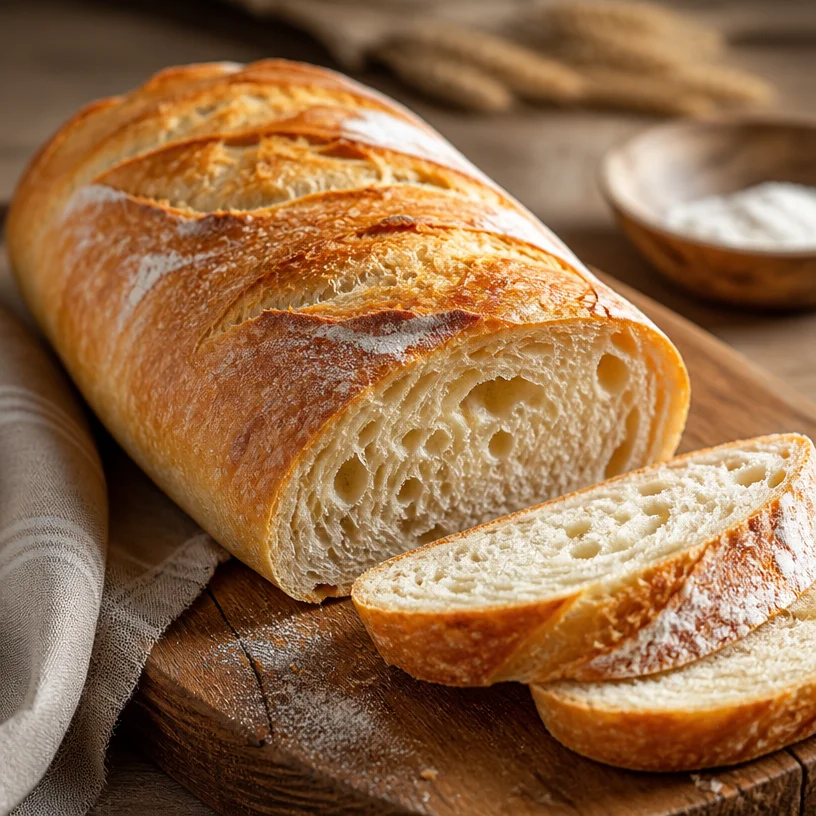
Mastering French Bread: A Warm Kitchen Adventure
Ah, the enchanting aroma of freshly baked French bread wafting through the house—there’s nothing quite like it! If you’ve ever wandered into a bakery and been captivated by the golden crust and airy interior of a baguette, then you’re in for a treat. Today, we’re diving into the world of French bread—a culinary journey that transforms simple ingredients into something truly magical. So, pull up a chair, get comfy, and let’s chat about how to bring a taste of France to your own kitchen.
A Journey Down Memory Lane
Let me take you back to my childhood, where the heart of our family kitchen was filled with laughter, stories, and, of course, the heavenly scent of baking bread. My grandmother, a.k.a. the queen of all things doughy, would whip up batches of homemade bread every Saturday. I can still picture her flour-dusted apron, her hands deftly kneading the dough, and the way her eyes sparkled as she shared tales of her own childhood in France.
One particular Saturday stands out in my memory. As the dough rose on the counter, she’d put on a classic French film, and we’d sip hot cocoa while stealing bites of the crusts. The moment the timer pinged, signaling it was bread time, we’d race to the oven, eagerly waiting for her to pop open the door. That familiar crack of the crust paired with the soft steam escaping was enough to send my little heart soaring. And the taste? Pure bliss!
Fast forward to today—I’ve carried that love for baking into my own kitchen, along with my grandmother’s secret tips and tricks. So, let’s gather those ingredients and embark on this delightful adventure of crafting our very own French bread!
Ingredients
To create your own loaf of French bread, you’ll need the following simple ingredients:
-
Bread Flour: This type of flour has a higher protein content than all-purpose flour, giving the bread its chewy texture and structure. If you need a substitute, you can use all-purpose flour, but the result may be slightly less chewy.
-
Yeast: Yeast is the magic ingredient that makes our bread rise! You can use active dry yeast or instant yeast. Instant yeast is my go-to because it doesn’t require proofing and can be mixed directly into the dry ingredients.
-
Salt: This isn’t just for flavor; it also strengthens the dough structure and controls yeast activity. A good tip is to use kosher salt for a more nuanced flavor, or if you’re watching your sodium intake, you can reduce the amount by half.
Step-by-Step Instructions
Now that we’ve gathered our ingredients, let’s get our hands a little floury and start baking! Here’s how to make the most delicious French bread:
-
Mix the Dry Ingredients: In a large mixing bowl, combine 4 cups of bread flour, 2 teaspoons of salt, and 2 teaspoons of yeast. Remember to whisk them well, so the salt and yeast are evenly distributed. Here’s a chef hack: if you mix the salt and yeast together without the flour, the salt can inhibit yeast activation, potentially leading to a dough that doesn’t rise as well.
-
Add Water: Gradually pour in 1 and ½ cups of warm water (approximately 100-110°F or 38-43°C). Mix with a wooden spoon or your hands. You want to achieve a sticky, shaggy dough. Don’t worry about overmixing; this bread thrives on being a bit rough around the edges!
-
Knead the Dough: Transfer the dough to a floured workspace and knead for about 10 minutes. If you’ve never kneaded before, it’s all about folding the dough over itself, pushing it down and away, then turning it, and repeating. This helps develop the gluten and gives your bread that wonderful texture. Pro tip: don’t add too much flour at this stage; we want it to remain slightly tacky!
-
First Rise: Place your kneaded dough into a lightly greased bowl and cover it with a damp cloth. Let it rise in a warm spot for about 1-2 hours, or until it doubles in size. Chat with it! A little encouragement doesn’t hurt!
-
Shape the Loaf: Once risen, gently punch down the dough to release air. On a floured surface, shape it into a loaf or a baguette. If you’re going for that classic baguette shape, divide your dough into three equal pieces and shape each piece by stretching and rolling it into long, thin forms.
-
Second Rise: Place the shaped dough on a parchment-lined baking sheet or a baguette pan, and cover them with a kitchen towel again. Let them rise for another 30-45 minutes, until they puff up nicely.
-
Preheat the Oven: While the dough is rising, preheat your oven to 475°F (245°C). To create that lovely crust, place a cast-iron skillet or a baking tray on the bottom rack. We’ll use this for steam when we bake!
-
Score the Bread: Just before baking, use a sharp knife or a bread lame to score the top of the loaves in a few diagonal cuts. This not only looks beautiful but also allows the bread to expand properly in the oven.
-
Add Steam and Bake: Carefully pour a cup of hot water into the preheated skillet or tray at the bottom of the oven (this will create steam!). Immediately place the bread in the oven and bake for about 20-25 minutes, or until the crust is golden brown and sounds hollow when tapped.
-
Cool: Once baked, remove the bread from the oven and let it cool on a wire rack. Resist the urge to slice into it right away; give it about 30 minutes to set. Trust me, your patience will pay off!
Serving Suggestions
Now that you have your beautiful French bread fresh from the oven, how to serve it? Slice it up and serve it alongside a pat of creamy butter, a drizzle of olive oil for dipping, or as the base for a fabulous bruschetta. Pair it with a hearty soup or simply enjoy it on its own with a sprinkle of sea salt. The charm of French bread lies in its versatility and simplicity!
Recipe Variations
Ready to get creative? Here are a few fun twists and variations you can try with your French bread:
-
Herb-Infused Bread: Mix in finely chopped fresh herbs like rosemary or thyme into your dough during the first mixing stage for a fragrant twist.
-
Garlic Bread: After baking, slather the warm loaf with a mixture of butter, minced garlic, and a sprinkle of parsley—the perfect pairing for pasta night!
-
Whole Wheat French Bread: Substitute half of the bread flour for whole wheat flour for a nuttier flavor and a healthier twist.
-
Cheesy Delight: Fold in shredded cheese like Gruyère or cheddar during the kneading stage for a gooey surprise in every bite.
-
Sweet Dutch Crunch: Add a little sugar to your dough and top with a sweet crust (made from flour, sugar, and water) for a deliciously crispy exterior.
Chef’s Notes
This French bread recipe is not just an ode to nostalgia; it’s a canvas for creativity. Over the years, I’ve played with flavors, shapes, and even the flour types. The great thing about this recipe is its adaptability—feel free to experiment!
I still remember the time I tried to make a double batch and miscalculated the yeast. Instead of a fluffy loaf, I ended up with flatbread pancakes—but hey, in the kitchen, that’s how you learn, right? Every “oops” moment becomes a delicious, albeit unexpected, treat!
FAQs and Troubleshooting
-
Why is my bread dense?
If your bread is dense, it may be due to insufficient kneading or rising time. Make sure to knead until the dough is smooth and elastic, and don’t rush the rising time! -
What if my bread didn’t rise?
This could be due to expired yeast or water that was too hot or cold. Always test your yeast for freshness and use warm water that’s just above room temperature—not boiling. -
How can I store leftover bread?
To keep your bread fresh, store it in a breadbox or wrapped in a cloth to allow air circulation. Avoid plastic bags, as they can make the crust soft. -
Can I freeze the bread?
Absolutely! Wrap the cooled loaf tightly in plastic wrap and then in aluminum foil. It can last up to three months in the freezer. When ready to eat, thaw it at room temperature and reheat it in the oven for that fresh-baked taste.
Nutritional Info
While I focus on the joy of cooking rather than strict nutritional values, remember that homemade bread is often healthier than store-bought options. Made with simple ingredients, your French bread can be a part of a balanced diet when enjoyed in moderation!
Now, armed with this recipe and a sprinkle of excitement, you’re ready to create a loaf of French bread that can turn an ordinary meal into something extraordinary. Remember, the best part about baking is sharing those creations, whether with family at the dinner table or with friends over coffee. Happy baking, and don’t forget to have a sprinkle of fun along the way!
PrintMastering French Bread
A delightful journey into baking homemade French bread with a golden crust and airy interior.
- Prep Time: 15 minutes
- Cook Time: 30 minutes
- Total Time: 45 minutes
- Yield: 1 loaf 1x
- Category: Bread
- Method: Baking
- Cuisine: French
- Diet: Vegetarian
Ingredients
- 4 cups of bread flour
- 2 teaspoons of salt
- 2 teaspoons of yeast
- 1 and ½ cups of warm water (100-110°F)
Instructions
- Mix the Dry Ingredients: In a large mixing bowl, combine bread flour, salt, and yeast. Whisk well.
- Add Water: Gradually pour in warm water and mix until you achieve a sticky dough.
- Knead the Dough: Transfer to a floured surface and knead for about 10 minutes.
- First Rise: Place in a greased bowl, cover with a damp cloth, and let rise for 1-2 hours until doubled.
- Shape the Loaf: Punch down the dough, shape into a loaf or baguette.
- Second Rise: Place on a baking sheet, cover with a towel, and let rise for 30-45 minutes.
- Preheat the Oven: Preheat to 475°F and add a baking tray to the bottom rack.
- Score the Bread: Make diagonal cuts on the top of the loaves before baking.
- Add Steam and Bake: Pour hot water into the skillet and bake for 20-25 minutes until golden brown.
- Cool: Remove from the oven and let cool on a wire rack for 30 minutes.
Notes
Experiment with flavors by adding herbs or cheese. Store leftover bread in a cloth to maintain freshness.
Nutrition
- Serving Size: 1 serving
- Calories: 150
- Sugar: 0g
- Sodium: 200mg
- Fat: 1g
- Saturated Fat: 0g
- Unsaturated Fat: 0g
- Trans Fat: 0g
- Carbohydrates: 30g
- Fiber: 1g
- Protein: 5g
- Cholesterol: 0mg
Keywords: French bread, baking, homemade bread, baguette, comfort food