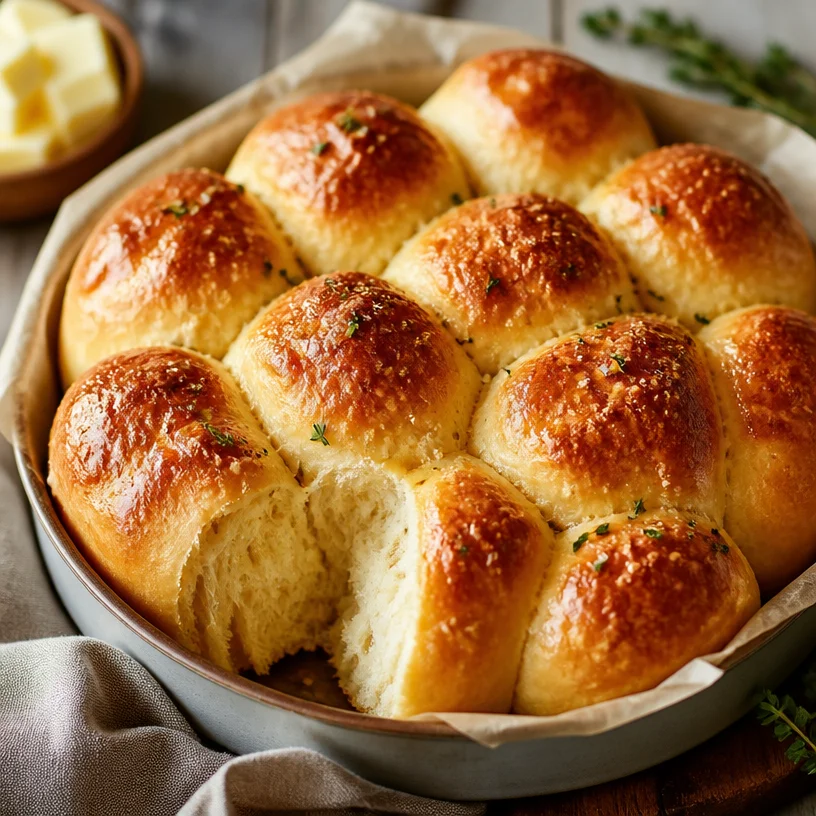
The Joy of Soft Dinner Bread: A Culinary Hug in Every Bite
Ah, the comforting aroma of freshly baked bread wafting through your home, mingling with laughter and the clinking of silverware. There’s something undeniably magical about the process of transforming simple ingredients into a warm, fluffy loaf of soft dinner bread. Whether it’s a cozy family dinner, a potluck with friends, or just a quiet evening at home, this bread brings people together in the most delightful way. Today, I’m inviting you into my kitchen to create this soft, pillowy, and oh-so-satisfying dinner bread that will make your taste buds dance.
As you dive into the world of bread-making, you’ll find that it’s not just about the end product; it’s about the journey. Picture this: it’s a chilly Saturday afternoon, and my grandmother—the queen of all things baked—invited me into her kitchen. There we were, knee-deep in flour, laughing as we tried to avoid the flour dust clouds that billowed every time we kneaded the dough. It was more than cooking; it was a bonding experience, a lesson in patience and love. Those moments shaped my passion for baking, and every loaf I create pays homage to those joyful memory-filled weekends.
So, put on your apron, grab your mixing bowl, and join me in making bread that will elevate your dinner table to new heights. Let’s turn those simple ingredients into an unforgettable culinary experience!
Ingredients
To whip up this soft dinner bread, you’ll need just a few staple ingredients. Here’s what you’ll need:
-
Bread Flour
The backbone of your bread! Bread flour has a higher protein content than all-purpose flour, giving the dough strength and a delightful chew. If you don’t have bread flour on hand, you can substitute it with all-purpose flour, but your bread may turn out slightly less chewy. -
Milk
Milk adds richness and moisture to your dough, creating a soft texture. Whole milk is ideal, but feel free to use 2% or even non-dairy milk alternatives like almond or oat milk. Just ensure it’s warmed up to aid in yeast activation. -
Butter
This is where the magic happens! Butter not only helps create a tender crumb but also adds a luscious flavor. Unsalted butter is preferred because you can control the saltiness of the bread. If you’re looking for a healthier option, try coconut oil or a vegan butter substitute. -
Active Dry Yeast
Yeast is what makes the bread rise! It helps create those lovely air pockets, making your bread light and fluffy. Always check the expiration date to ensure it’s active. If you’re feeling adventurous, you can opt for fresh yeast; just use about three times the amount. -
Sugar
A bit of sugar feeds the yeast and promotes browning, creating that gorgeous golden crust. You can substitute granulated sugar with honey or maple syrup—you may just need to adjust the liquid ingredients a tad. -
Salt
Salt is an essential flavor enhancer in bread-making. It balances the sweetness and brings out the flavors of the other ingredients. If you’re on a low-sodium diet, consider using a reduced-sodium salt option.
Step-by-Step Instructions
Now that we have our ingredients ready, let’s get baking! Follow these detailed steps to create your own soft dinner bread:
-
Activate the Yeast
In a small bowl, combine 1 cup of warm milk (about 110°F) with 2 tablespoons of sugar and 2 teaspoons of active dry yeast. Stir gently and let it sit for about 5–10 minutes until it becomes frothy. This is the yeast coming to life and making your bread rise wonderfully. If your mixture doesn’t froth up, your yeast might be dead, and it’s best to start over. -
Mix the Dry Ingredients
In a large mixing bowl, whisk together 4 cups of bread flour and 1 teaspoon of salt until well combined. Make sure to incorporate air into your flour, which helps with the texture of the bread. -
Combine and Knead
Once your yeast is activated, create a well in the center of your dry mixture and pour in the yeast mixture along with 1/4 cup of melted butter. Stir with a wooden spoon until a shaggy dough forms. Then, turn the dough onto a floured surface and start kneading! Knead for about 8–10 minutes, until the dough is smooth and elastic. A little workout never hurt anyone, right? You’ll know the dough is ready when it springs back when lightly poked. -
First Rise
Lightly oil a clean bowl and place your dough inside. Cover it with a damp cloth or plastic wrap, and let it rise in a warm spot for about 1-2 hours, or until it has doubled in size. This step is key—patience pays off with beautifully risen bread! -
Shape the Dough
After it’s risen, punch down the dough to release any bubbles. Turn it out onto a floured surface and gently fold it a few times before shaping it into a loaf or individual dinner rolls, depending on your preference. -
Second Rise
Place your shaped dough into a greased loaf tin or on a baking sheet lined with parchment paper. Cover it with a cloth again and let it rise for another 30-60 minutes. This will create an even fluffier texture. -
Preheat and Bake
Preheat your oven to 375°F (190°C) during the last 10 minutes of the second rise. Bake for 25–30 minutes, until the bread is golden brown and sounds hollow when tapped on the bottom. If the top is browning too quickly, lightly tent it with aluminum foil during the last few minutes of baking. -
Cool and Enjoy!
Once baked, remove the bread from the oven and transfer it to a wire rack to cool completely before slicing (if you can wait!). Enjoy with butter, jam, or just as it is—delicious!
Serving Suggestions
When serving your gorgeous soft dinner bread, consider slicing it into thick, fluffy pieces and arranging them on a beautiful breadboard or platter. Pair it with a rich herb-infused olive oil for dipping or a slather of whipped butter to elevate the experience. Trust me; your guests will be singing your praises with every bite!
Recipe Variations
Here are a few fun twists on the classic soft dinner bread recipe:
-
Garlic Herb Bread: Add 4-5 minced garlic cloves and 2 teaspoons of dried herbs (like rosemary or thyme) to the dough for a fragrant twist.
-
Cheesy Delight: Fold in shredded cheese like mozzarella or cheddar right before shaping the dough for an ooey-gooey experience.
-
Sweet Cinnamon Rolls: Transform this recipe into cinnamon rolls by adding a mixture of brown sugar and cinnamon before shaping and rolling the dough.
-
Add-ins: Consider tossing in some dried fruits like raisins or cranberries for a sweet and chewy texture.
-
Gluten-Free Option: Substitute 1:1 gluten-free bread flour for a gluten-free version. You may need to adjust the liquid slightly.
Chef’s Notes
Bread-making is very forgiving and allows for a lot of creativity. I remember one time, I forgot to add the sugar in a batch, and while it didn’t have the same level of sweetness, it turned out to be a marvelous base for savory sandwiches! Rustic bread is about embracing the process, and every loaf tells a story. Keep practicing, and you’ll find your own rhythm—you might even discover flour clouds are still a part of the joy when baking.
FAQs and Troubleshooting
-
What if my bread doesn’t rise?
If your bread isn’t rising, check if your yeast is fresh and active. Also, make sure your dough is in a warm environment to help it rise—consider turning on your oven for a minute to warm it up before placing the dough inside. -
Why is my bread dense?
A dense loaf could result from not kneading enough or adding too much flour. When kneading, you want the dough to be sticky but still manageable. Remember to add flour gradually! -
How do I store my leftover bread?
Keep your bread in an airtight container at room temperature for 2-3 days. If you want to store it longer, slice it and freeze it; it makes for easy-to-thaw portions! -
Can I double the recipe?
Absolutely! Just make sure to use a large enough mixing bowl and keep an eye on the rising times, as a larger batch might take a bit longer.
Nutritional Info
This recipe makes about 12 servings, and each serving contains approximately:
- Calories: 170
- Carbohydrates: 26g
- Protein: 4g
- Fat: 6g
- Fiber: 1g
Keep in mind, these values can vary based on ingredient brands and specific measurements.
So there you have it—your homemade soft dinner bread! This recipe is a wonderful way to explore your baking skills and create something that fills your home with warmth and happiness. Happy baking, and remember to always make every meal a little more special with your signature sprinkle of joy!
PrintSoft Dinner Bread

A comforting, fluffy loaf of soft dinner bread perfect for family dinners or cozy evenings.
- Prep Time: 15 minutes
- Cook Time: 30 minutes
- Total Time: 45 minutes
- Yield: 12 servings 1x
- Category: Bread
- Method: Baking
- Cuisine: American
- Diet: Vegetarian
Ingredients
- 4 cups bread flour
- 1 cup warm milk
- 2 tablespoons sugar
- 2 teaspoons active dry yeast
- 1/4 cup melted unsalted butter
- 1 teaspoon salt
Instructions
- Activate the yeast: In a small bowl, combine warm milk, sugar, and yeast. Stir and let sit for 5-10 minutes until frothy.
- Mix the dry ingredients: In a large bowl, whisk together bread flour and salt.
- Combine and knead: Pour the yeast mixture and melted butter into the dry ingredients. Stir until a shaggy dough forms, then knead on a floured surface for 8-10 minutes.
- First rise: Place dough in a greased bowl, cover, and let rise for 1-2 hours until doubled in size.
- Shape the dough: Punch down, turn out onto a floured surface, and shape into a loaf or rolls.
- Second rise: Place shaped dough in a greased pan, cover, and let rise for another 30-60 minutes.
- Preheat and bake: Preheat oven to 375°F (190°C) and bake for 25-30 minutes until golden brown.
- Cool and enjoy: Transfer to a wire rack to cool before slicing.
Notes
Consider adding garlic or cheese for a twist on the classic recipe.
Nutrition
- Serving Size: 1 serving
- Calories: 170
- Sugar: 2g
- Sodium: 200mg
- Fat: 6g
- Saturated Fat: 3g
- Unsaturated Fat: 3g
- Trans Fat: 0g
- Carbohydrates: 26g
- Fiber: 1g
- Protein: 4g
- Cholesterol: 15mg
Keywords: bread, soft dinner bread, homemade bread, baking, comfort food